


Shopify Promotion Strategies
Built for Toys & Games Brands
A board game missing one card is a broken product no matter how good the rest of the box is, and a button battery in the wrong toy is a swallowing hazard, not a design detail. These sixteen strategies grow AOV around piece-completeness, battery safety, and the collectible economics that make this category unlike anything else in ecommerce.
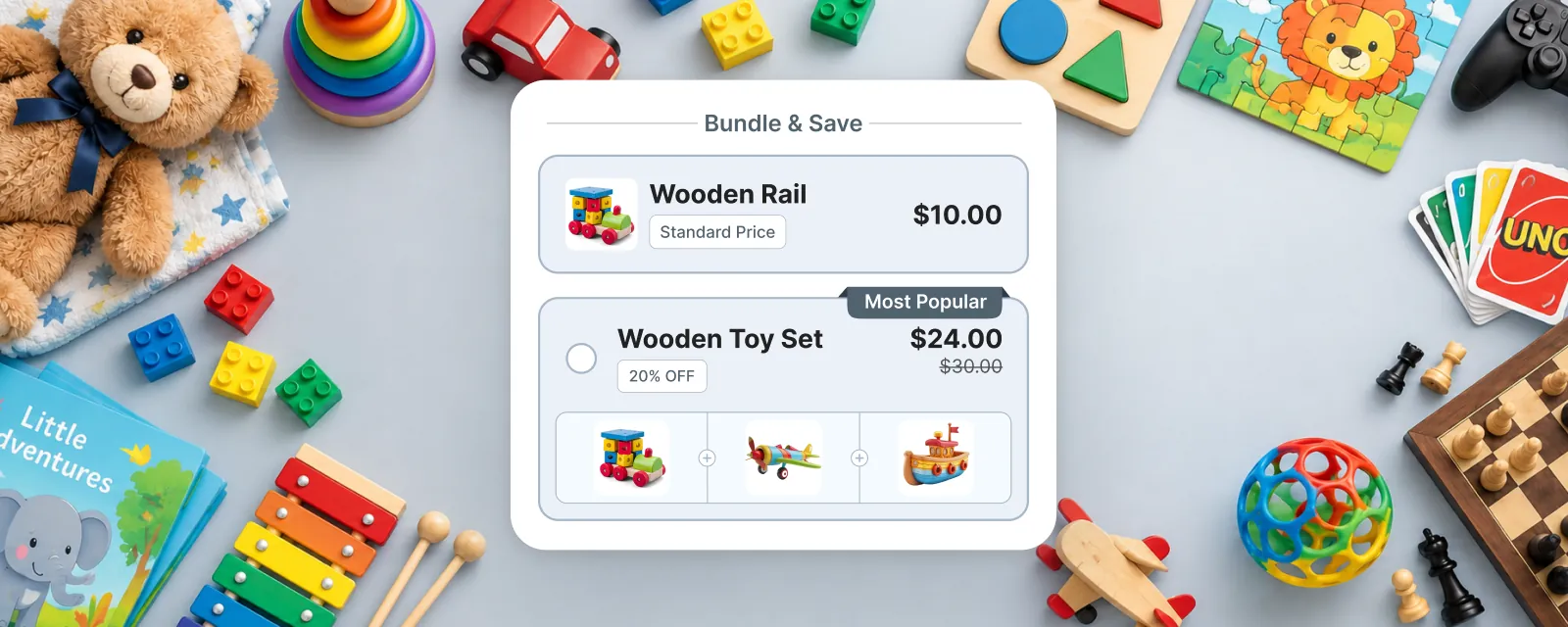
Why toys & games promotions behave differently
Most generic Shopify AOV advice assumes a bundle's downside is a shopper who doesn't want the extra item, and that a product's value doesn't depend on every single piece inside the box being present. Toys and games breaks both. A trading card game missing one common card can still function, but a board game missing one specific card or die can make the entire game unplayable, which makes piece-completeness a genuine part of the product experience, not an afterthought.
This category also carries a specific, well-documented safety concern most bundling advice never touches: small button-cell batteries inside electronic toys are a swallowing hazard distinct from the general small-parts choking risk that applies to toys generally, and it requires its own handling. On top of that, toys and games has an entire economic layer built around collectibility, rarity, and blind-box mechanics that doesn't exist in almost any other retail category, where the promotion itself (completing a set, chasing a rare pull) is part of what the customer is buying.
The strategies below are built around age-appropriateness, battery and piece safety, and collectible economics first, then the seasonal, loyalty, and discovery layers on top. Each includes the mechanism, who it works for, and the Pumper Bundles offer type that runs it without a developer.
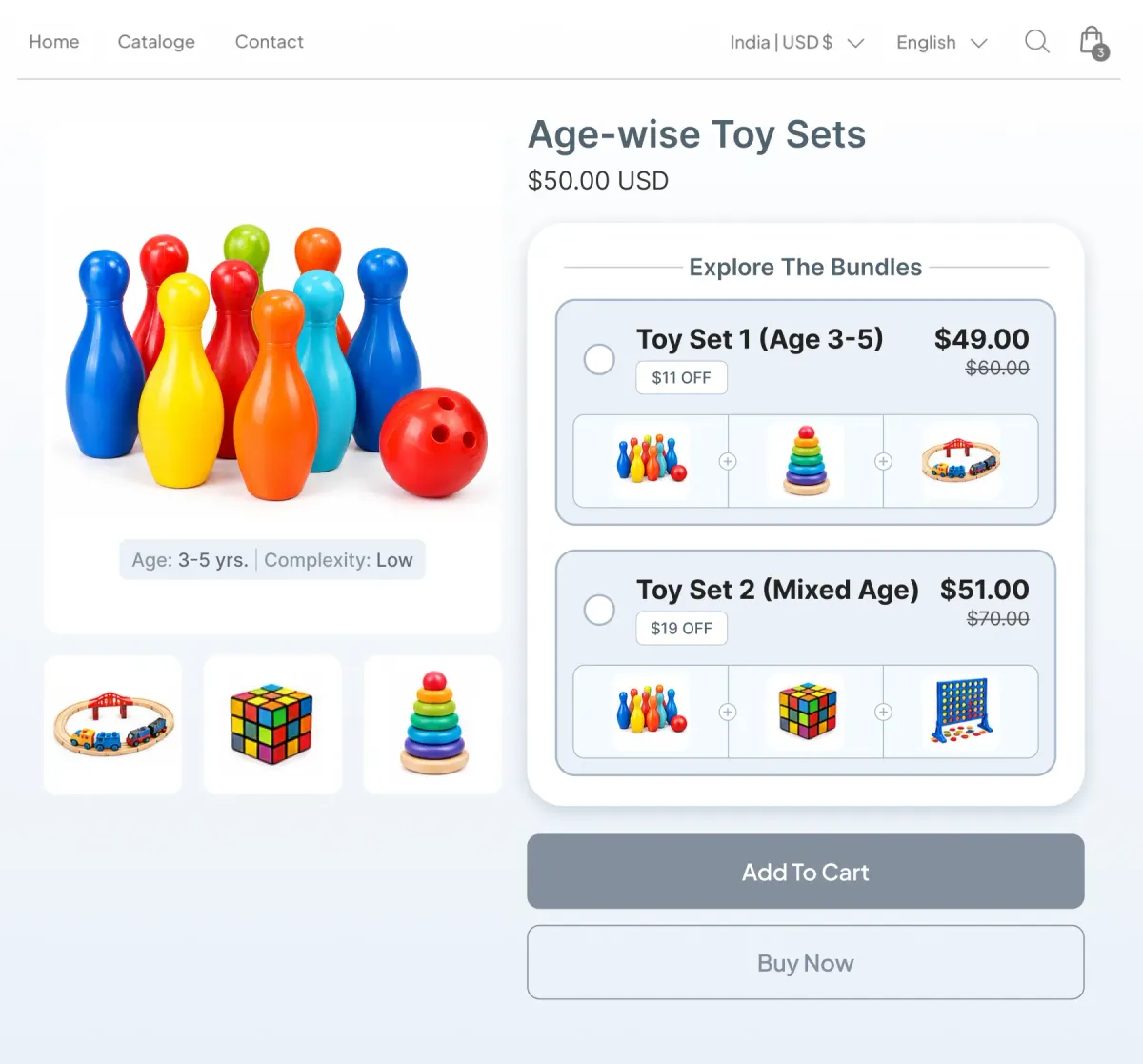
Age and cognitive-complexity matched bundling
A different kind of age fit: whether the game is fun at that age, not just safe
Unlike a pure physical-safety age grade, game complexity is its own separate concern: a game with rules genuinely too advanced for a child's age isn't dangerous, but it is frustrating, and a frustrated child abandons the game and the brand loses a repeat customer. Bundling by both age range and complexity level, not age range alone, means a household with kids of different ages gets a game each child can actually enjoy, not just technically play.

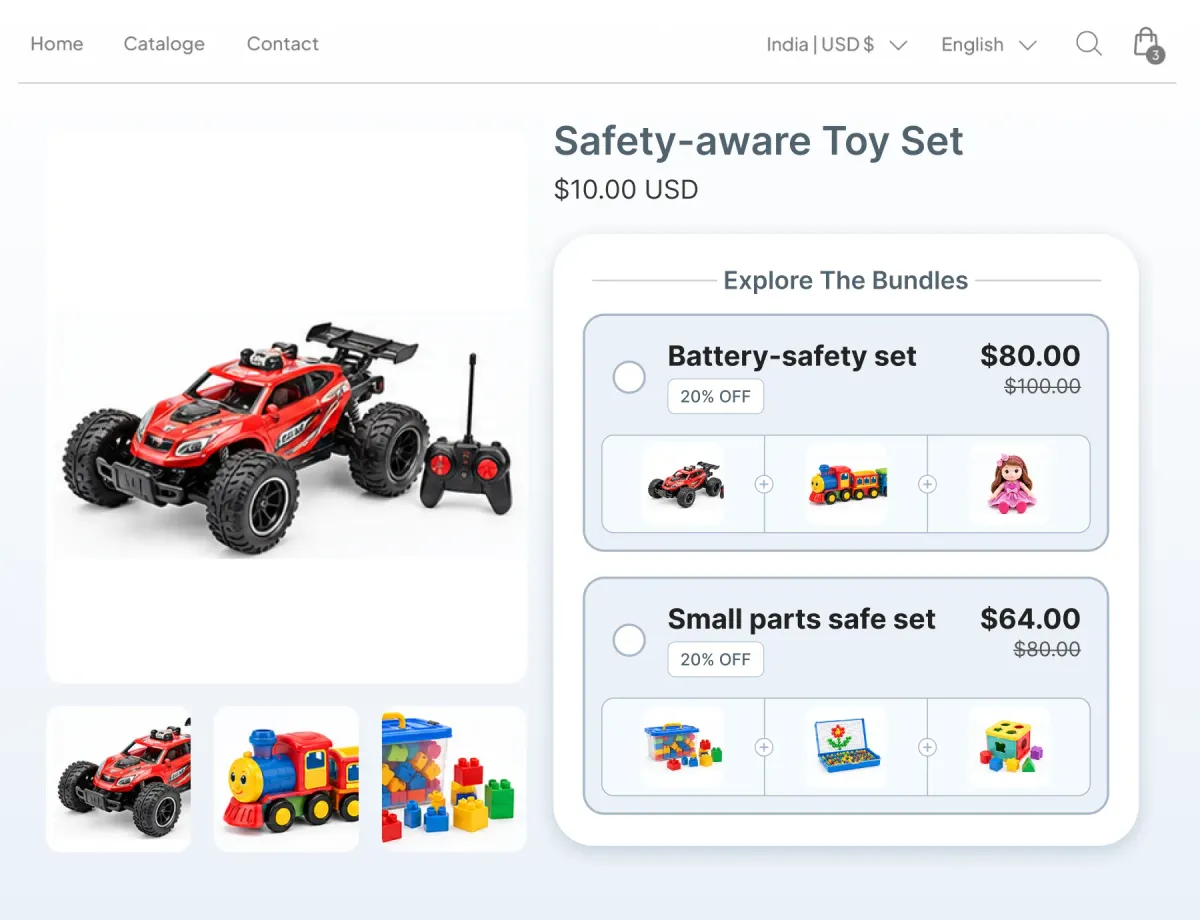
Button-battery and small-parts safety-aware bundling
The strategy no other toys and games promotion guide addresses directly
Generic AOV advice treats electronic toys like any other accessory to bundle freely. Button-cell batteries are a distinct and serious swallowing hazard, separate from general small-parts choking risk, and a bundle that pairs an electronic toy with an accessible or poorly secured battery compartment into a set aimed at a young age range creates a real, well-documented danger that has nothing to do with whether the toy itself is otherwise safe.
This is a genuine gap in toys and games bundling content. Most guides optimize purely for AOV lift and never separate button-battery risk from general small-parts risk, even though they require entirely different checks.
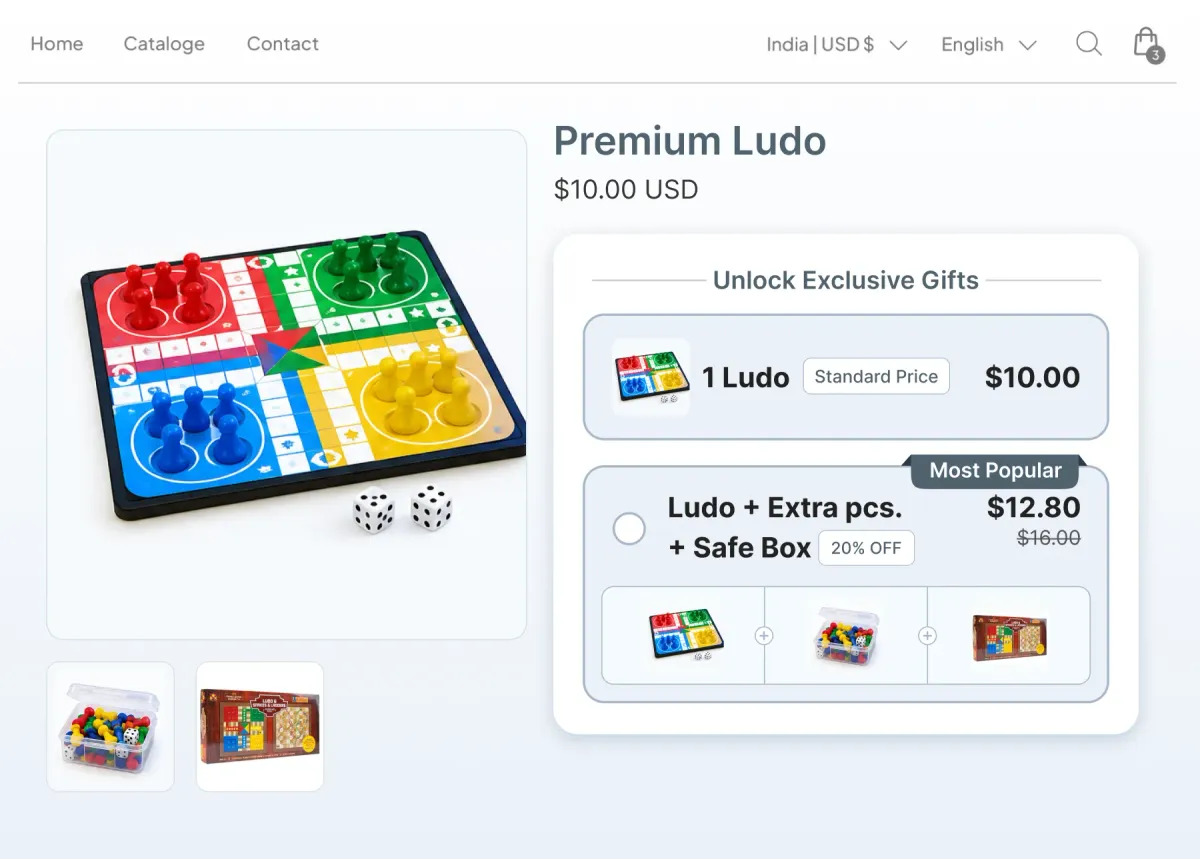
Game completeness and piece-integrity bundling
A product-experience risk unique to games: one missing piece can break the whole box
Unlike almost any other product category, a game's value depends on every component being present and intact, a lost die, a missing card, or a broken piece can render an otherwise perfectly good game unplayable. Bundling a small replacement-piece pack or a protective travel case with any game purchase directly addresses the single most common reason a beloved game ends up unplayed within a year of purchase.
Collectible and blind-box completion-set bundling
An economic mechanic that barely exists outside this category
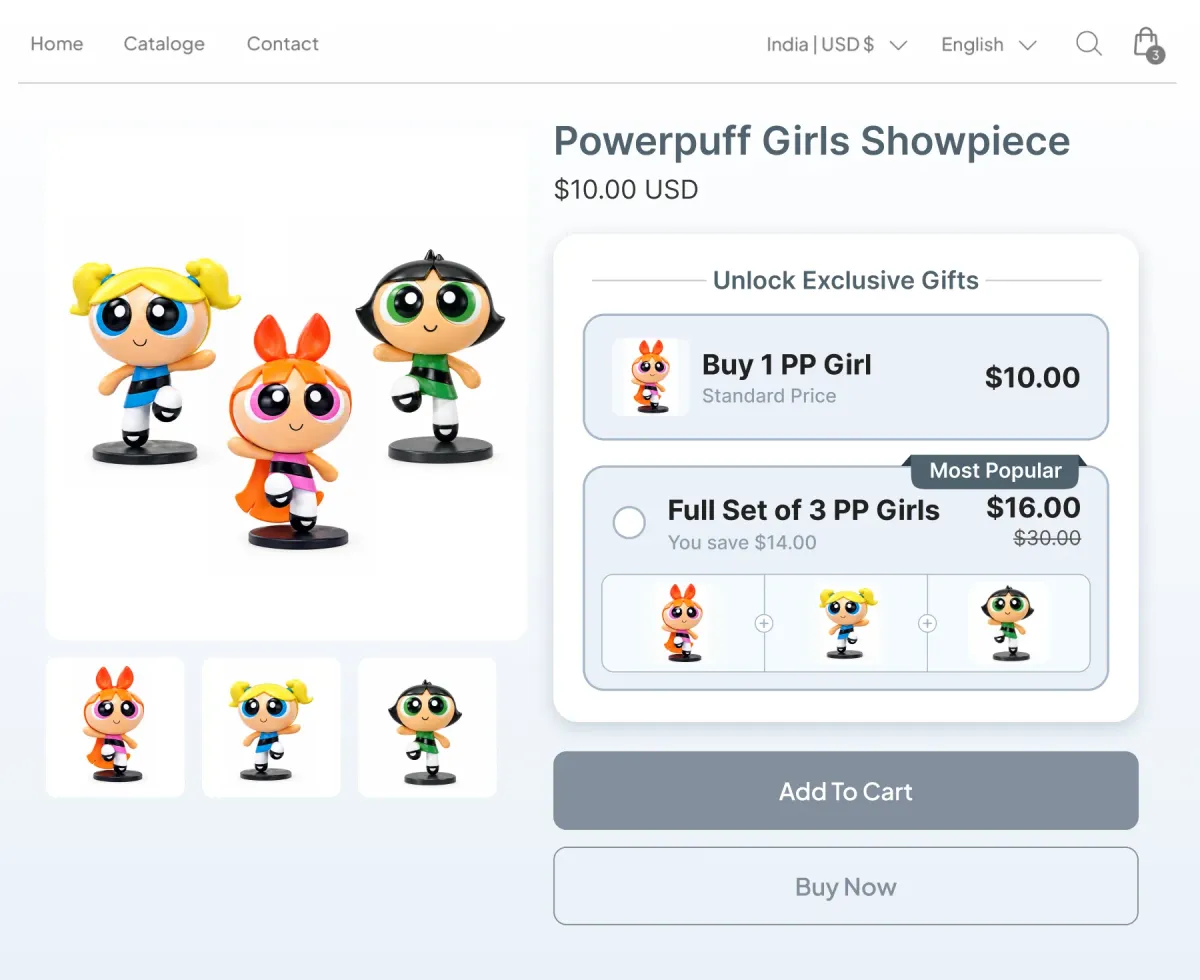
Trading cards, blind-box figures, and collectible series have a purchasing dynamic almost unique to toys and games: the promotion isn't just a discount, it's the chance to complete a set the customer is already emotionally invested in. Bundling the specific pieces needed to complete a known series, rather than a random assortment, converts on collector psychology directly, not just on price.
Group and multiplayer play-enabling bundling
Bundling to let kids play together at the same time, not take turns waiting
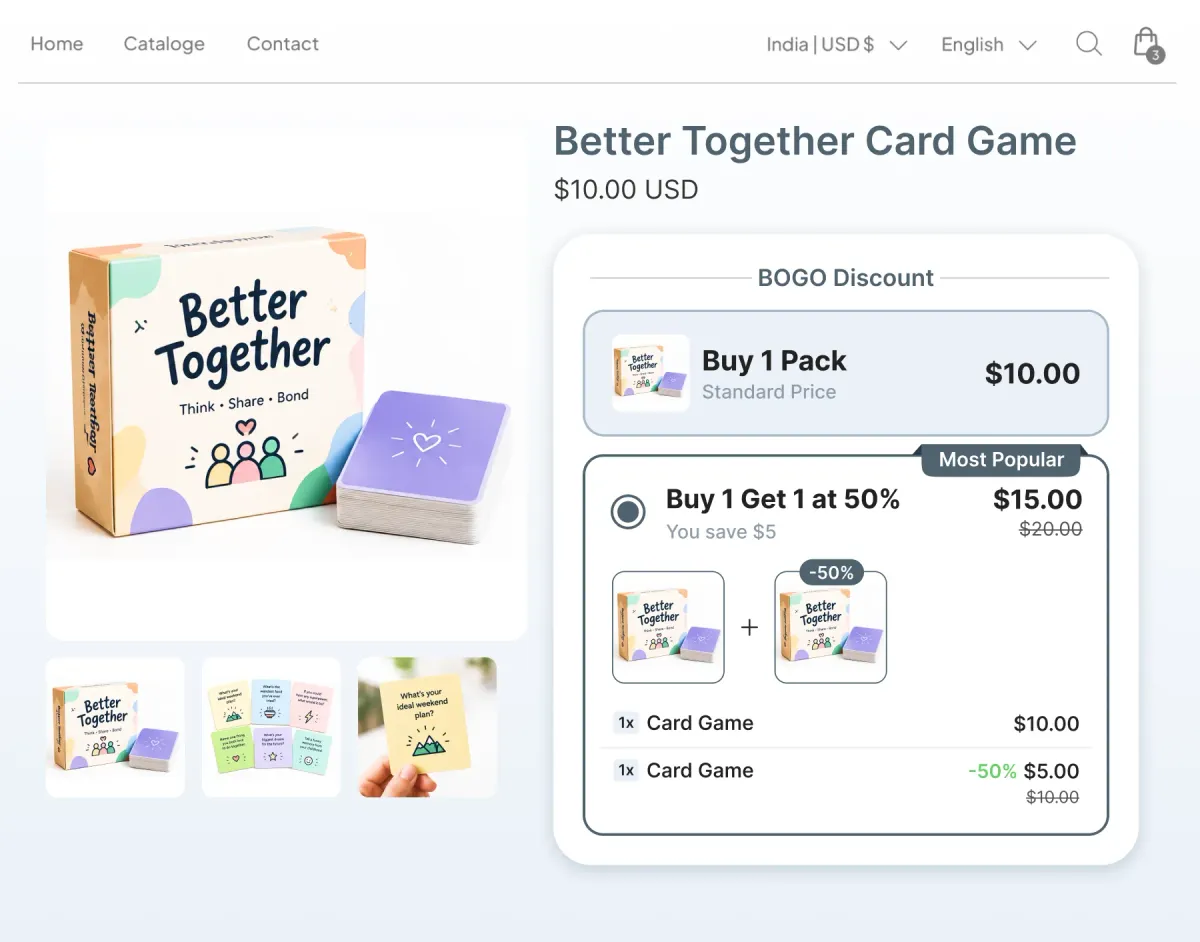
Many games and toys are designed for one player or one set per person, which means a household with more than one child, or a group of friends, often needs a second full set to actually play together rather than taking turns. Bundling a second controller, deck, or piece set at a discount solves a real friction point that single-child, single-set thinking misses entirely.
Expansion pack and replayability bundling
Sells more hours of play from the same base product, a model unique to games
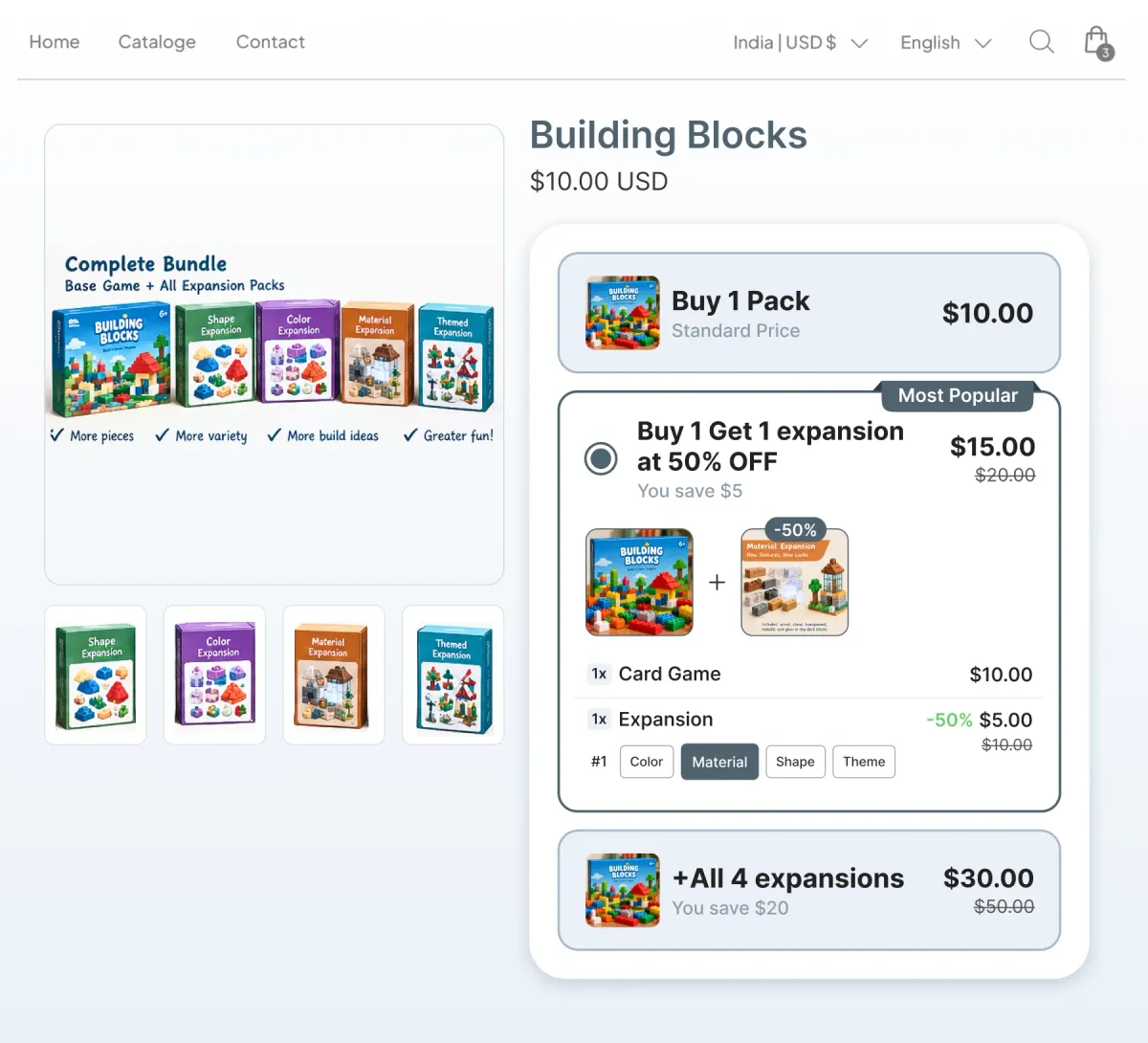
Unlike most product categories, many games are built around a base product with official expansions that add new content without replacing the original. Bundling the base game with its expansion at launch, rather than releasing the expansion as an unrelated later purchase, captures a customer already invested in the game while they're still excited about it, instead of hoping they come back separately months later.
Building-set cross-compatibility bundling
Sells the promise that sets grow together, not separately
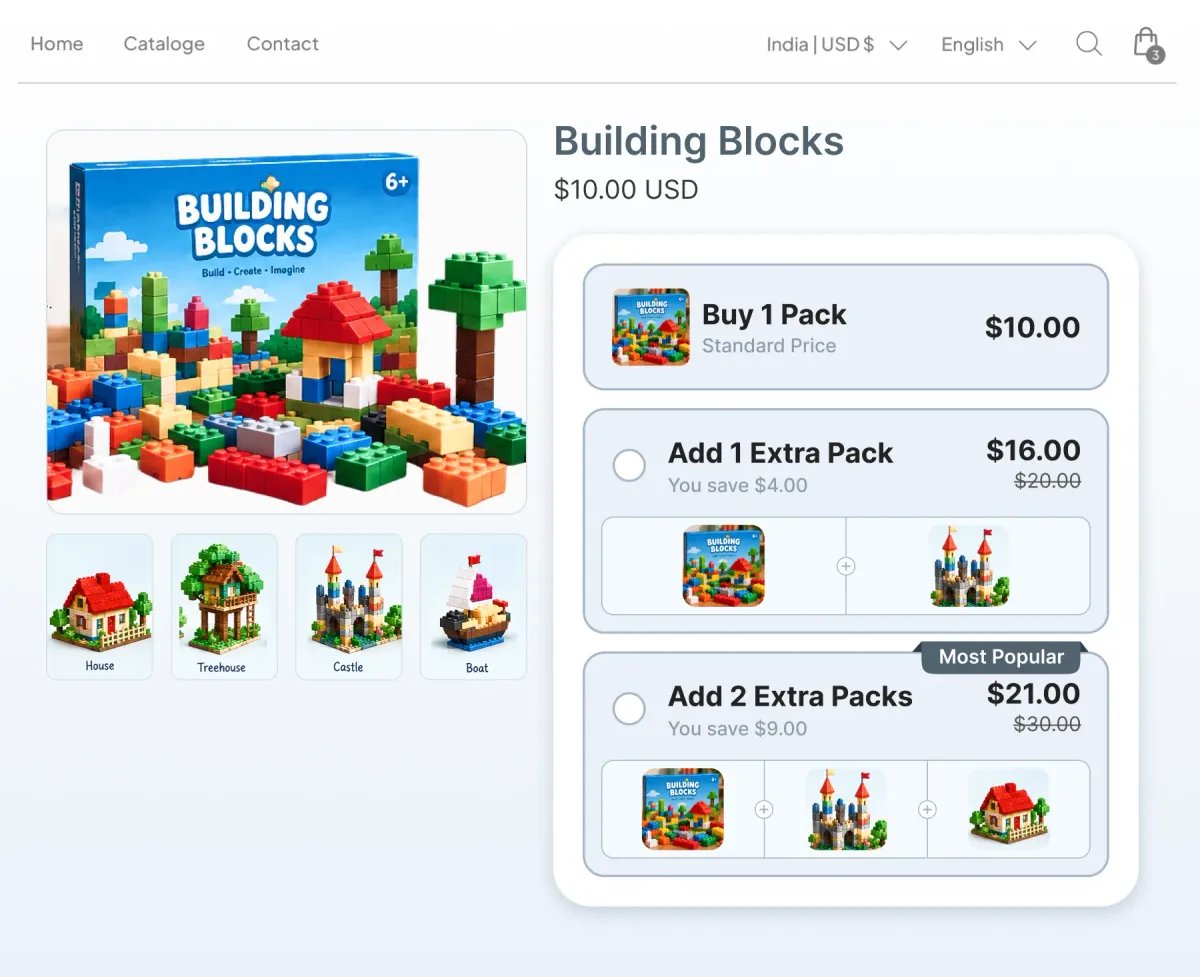
Construction and building-block sets have a strong incentive built in: pieces from one set that interconnect with pieces from another make each additional set more valuable than it would be alone. Bundling two sets that are verified to interconnect, and calling that compatibility out explicitly, gives the purchase a "grows your collection" framing that a generic two-for-one bundle doesn't carry.
STEM and educational progression bundling
A learning-curriculum stage system, distinct from a physical skill tier
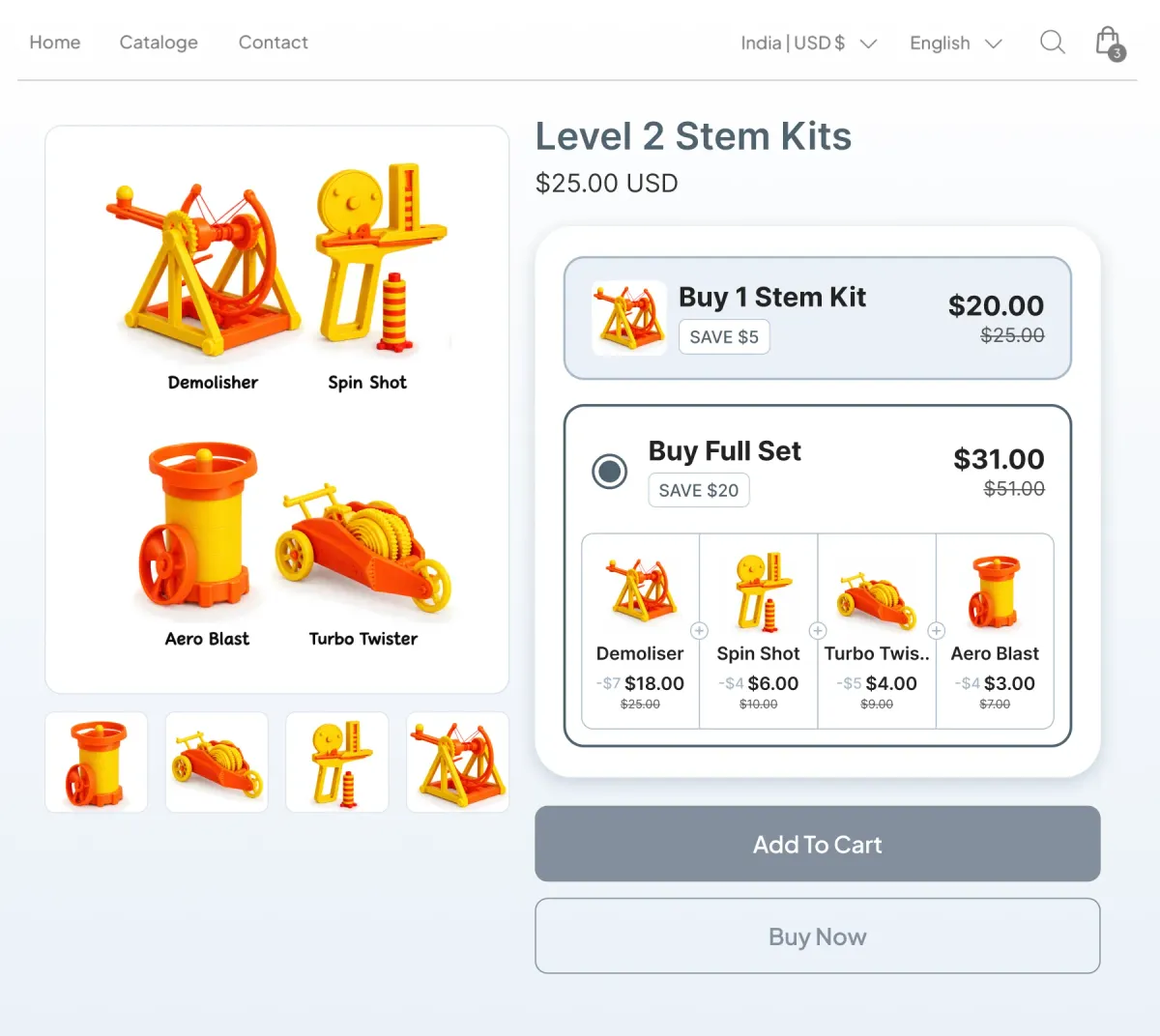
STEM kits and educational toys often follow a genuine skill progression, a beginner coding kit builds the foundation an intermediate kit then builds on. Bundling across stages, staged explicitly as "Level 1" and "Level 2" rather than just two related products, sets a clear learning path expectation and gives parents confidence about what comes next once the first kit is mastered.
Birthday and holiday gifting capsule bundles
Two of the largest gifting occasions in retail, both central to this category
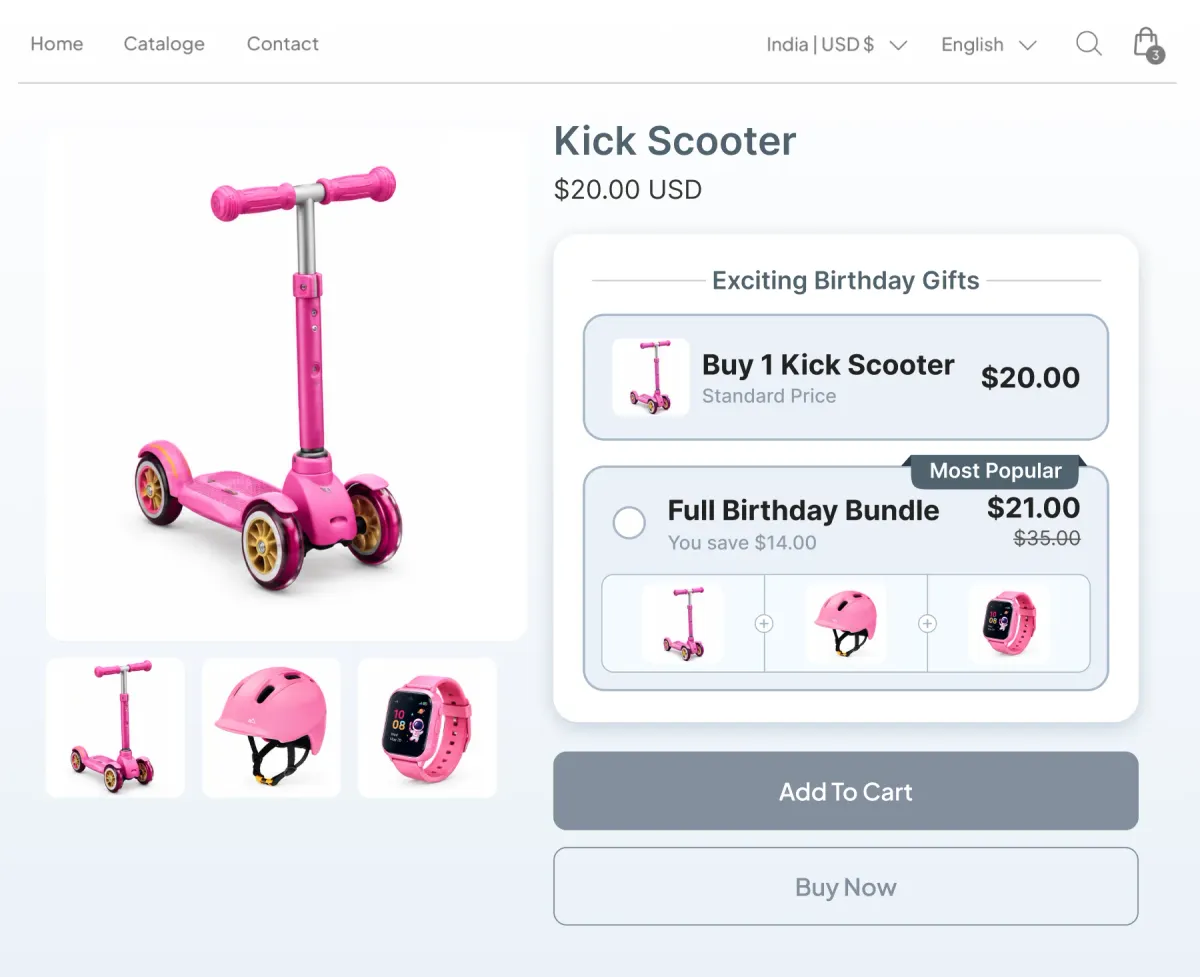
Kids' birthdays happen year-round and are a recurring, individually significant gifting occasion, and the winter holiday season is the single largest sales period most toy and game brands see all year. Bundle around both: a birthday capsule (a main gift plus a small party favor add-on) available continuously, and a holiday capsule built well ahead of the season to capture early gift-list planning.
Screen-time and parental-control-aware bundling
A messaging concern specific to app-connected and electronic toys
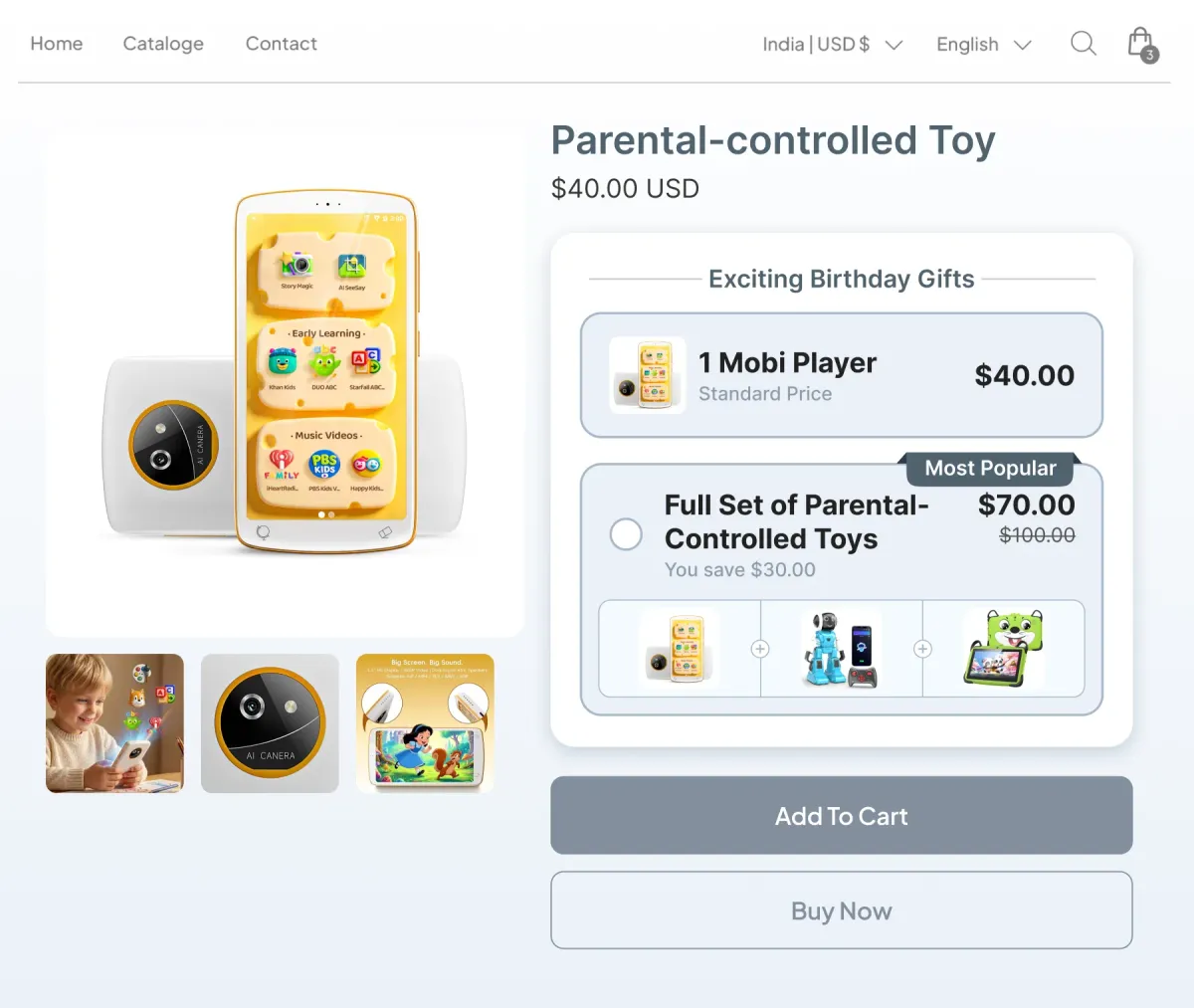
Parents shopping for app-connected or screen-based toys are often weighing screen-time concerns directly against the product's educational or play value. A bundle description that's upfront about parental control options, offline play modes, and screen-time settings addresses a real hesitation that a purely feature-focused description skips past, and it can be the deciding factor for a parent comparing two similar electronic toys.
Loyalty-gated early access to new releases
Rewards repeat customers with priority instead of a discount
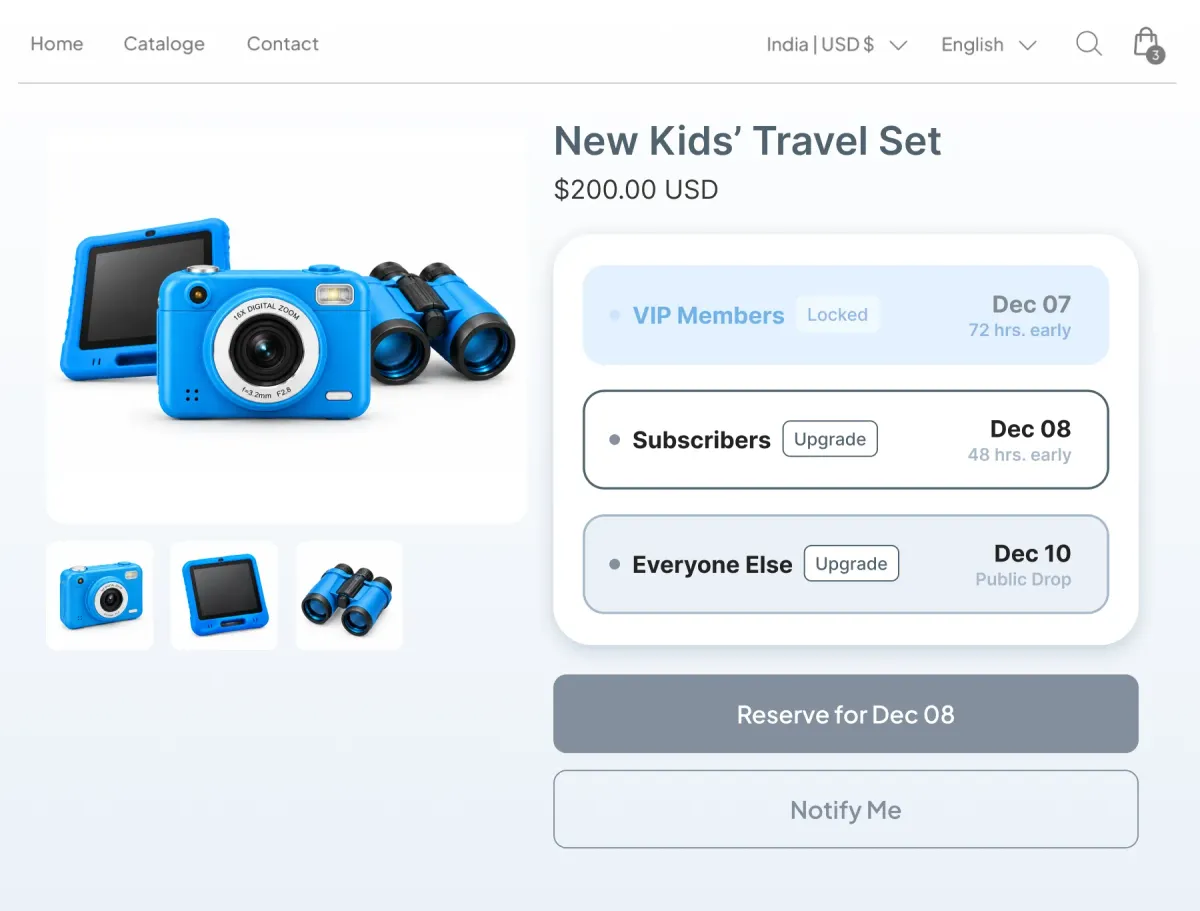
When a brand releases a new game, expansion, or collectible series, giving top-tier loyalty customers early access ahead of general release drives the same urgency and repeat-purchase behavior a discount would, without ever discounting the new release itself, and it rewards the collectors and families most likely to buy the full set.
Discontinued line bundle-down clearance
Clears retiring inventory while leaning into, rather than hiding, its collectibility
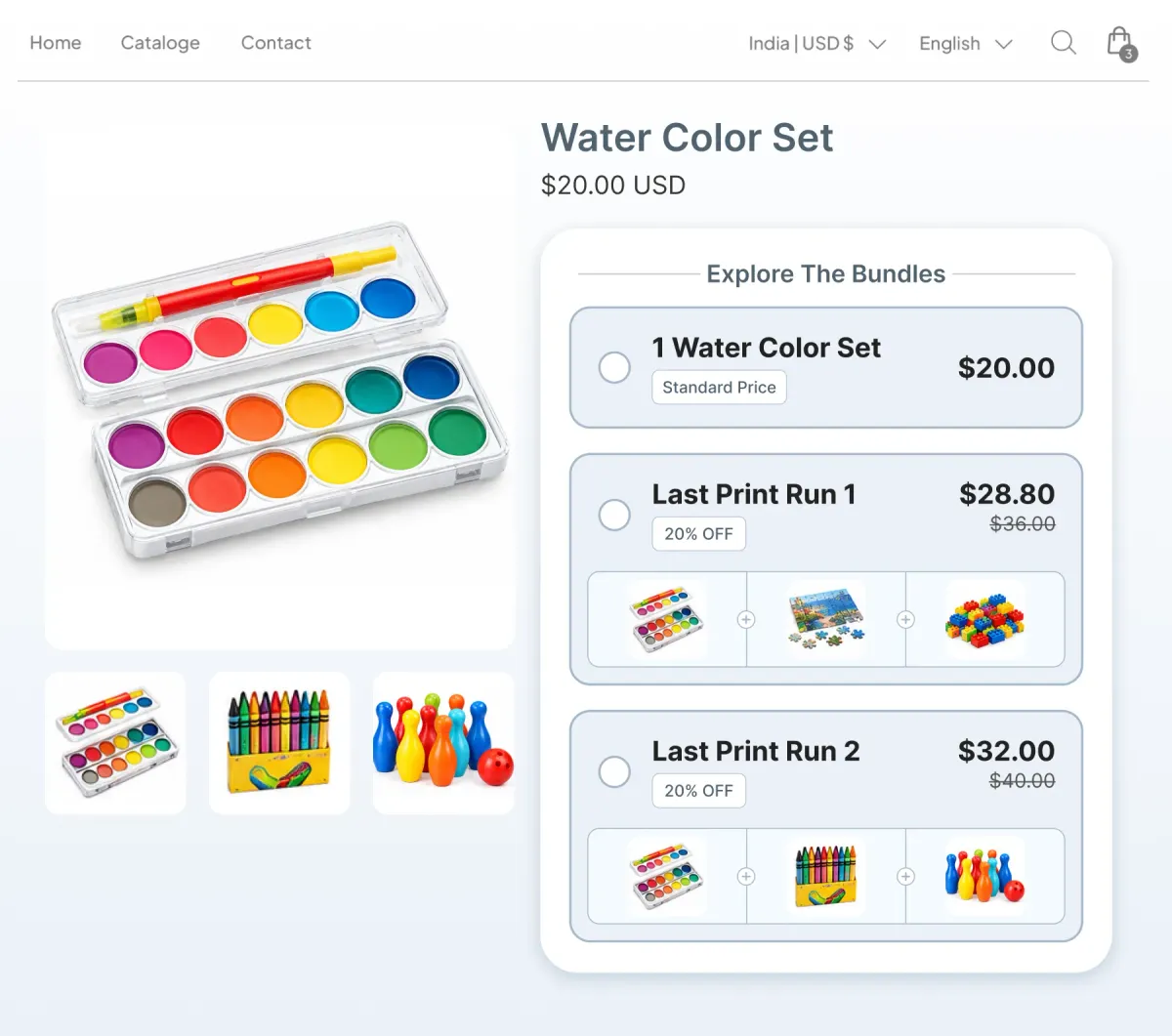
Rather than marking a discontinued game edition or figure line down publicly, bundle the remaining stock into a "last print run" multi-item set at a bundle price. Discontinued toy lines often carry genuine collector interest, so framing the clearance as a final-run opportunity rather than a markdown can actually perform better than a straightforward discount would.
Build-your-set mix and match
Gives collectors and builders control while still steering toward a higher basket
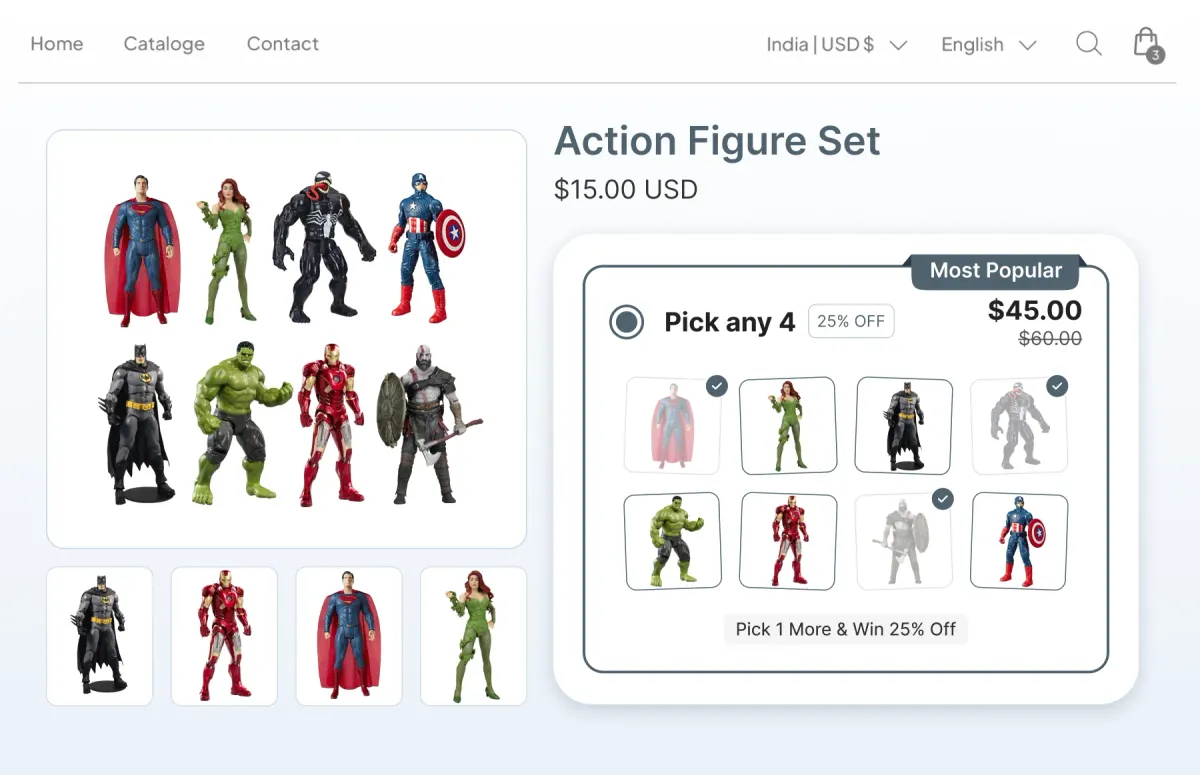
Rather than a fixed assortment, let customers choose any N packs, figures, or add-on pieces from a curated eligible group at a set price. This works especially well for collectible and building categories with a wide range, where the customer's real decision is which specific items complete their own collection, not whether to buy more.
Family and toy-reviewer bundle drops
Packages a trusted reviewer's exact picks as a one-click purchase
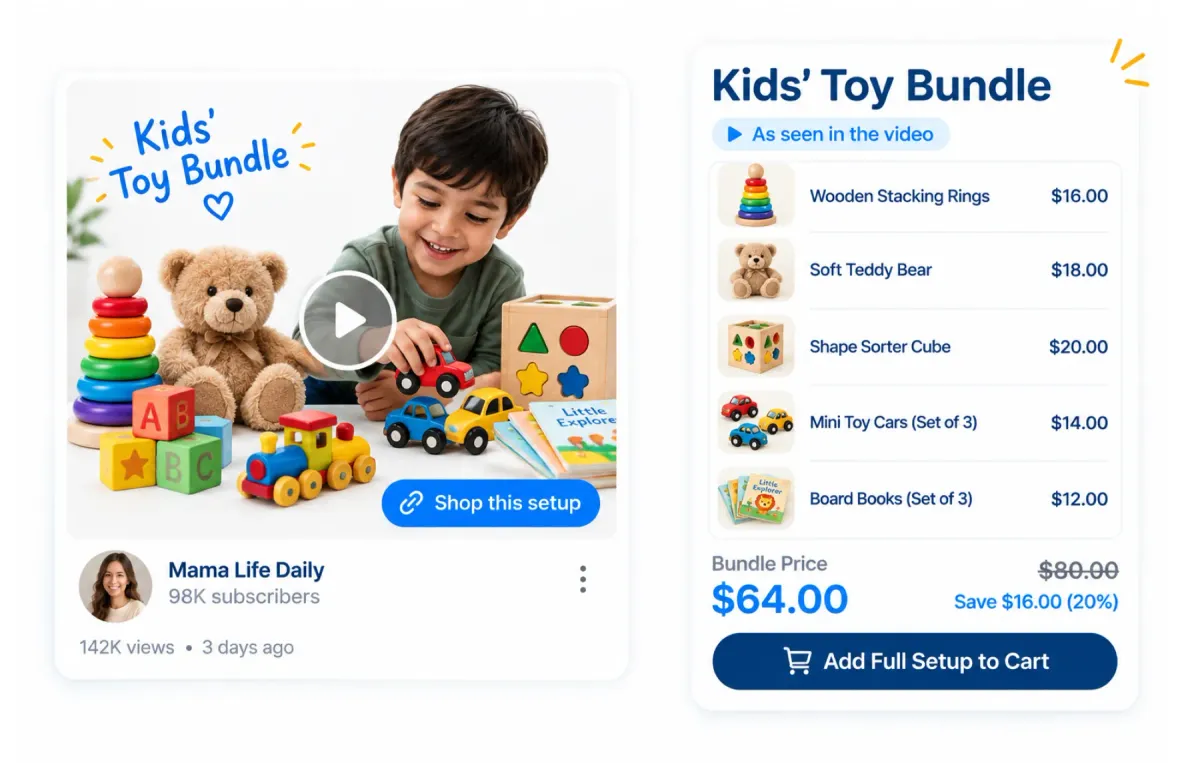
When a family or toy-reviewer creator posts their game night lineup or unboxing favorites, standing up a bundle that mirrors that exact combination, linked directly from the video, converts far better than sending traffic to a general shop page and asking a parent to search out each title separately.
Threshold free shipping stacked with bundles
A meaningful lever ahead of a gifting deadline that can't move
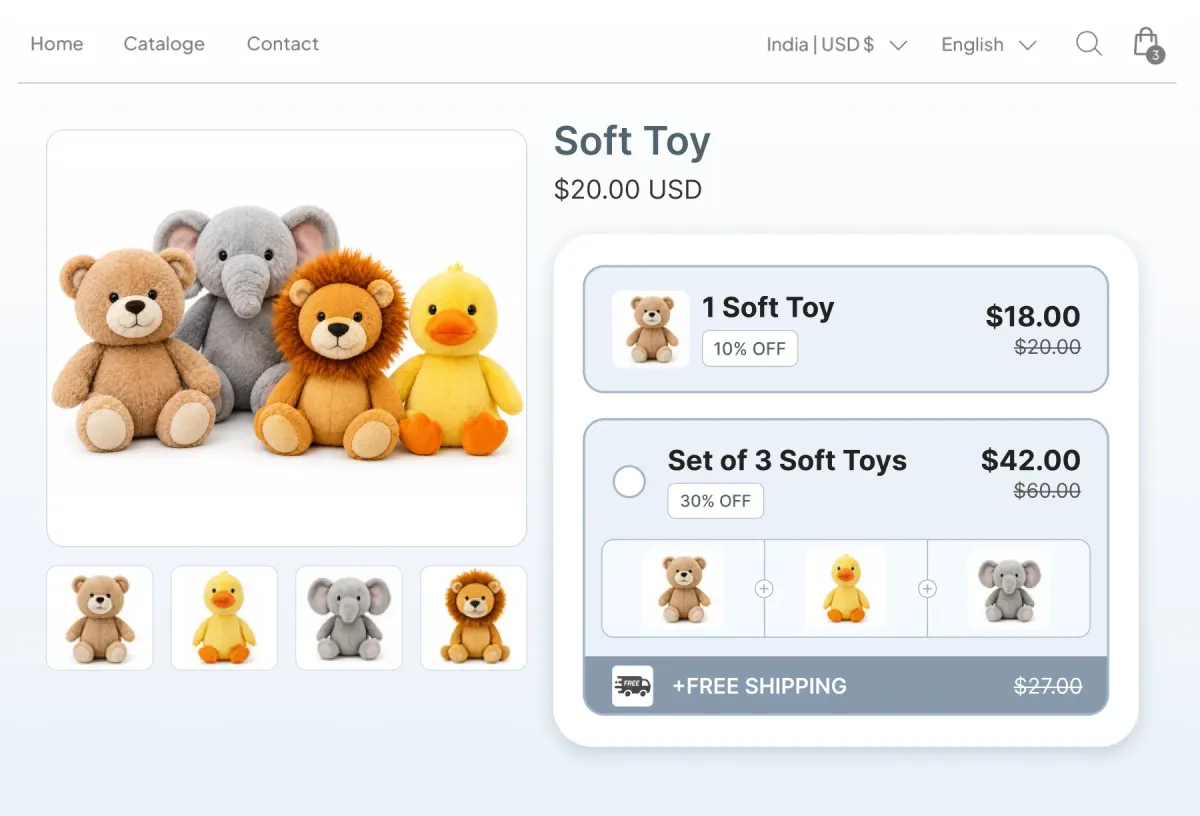
A toy or game bought as a birthday or holiday gift is tied to a date that can't slip, which makes an unexpected shipping cost or a shipping delay feel worse here than in a category where the purchase timing is flexible. Setting a free-shipping threshold just above the average bundle price gives a reason to add the small gift-wrap or party-favor add-on rather than ordering the main item alone.
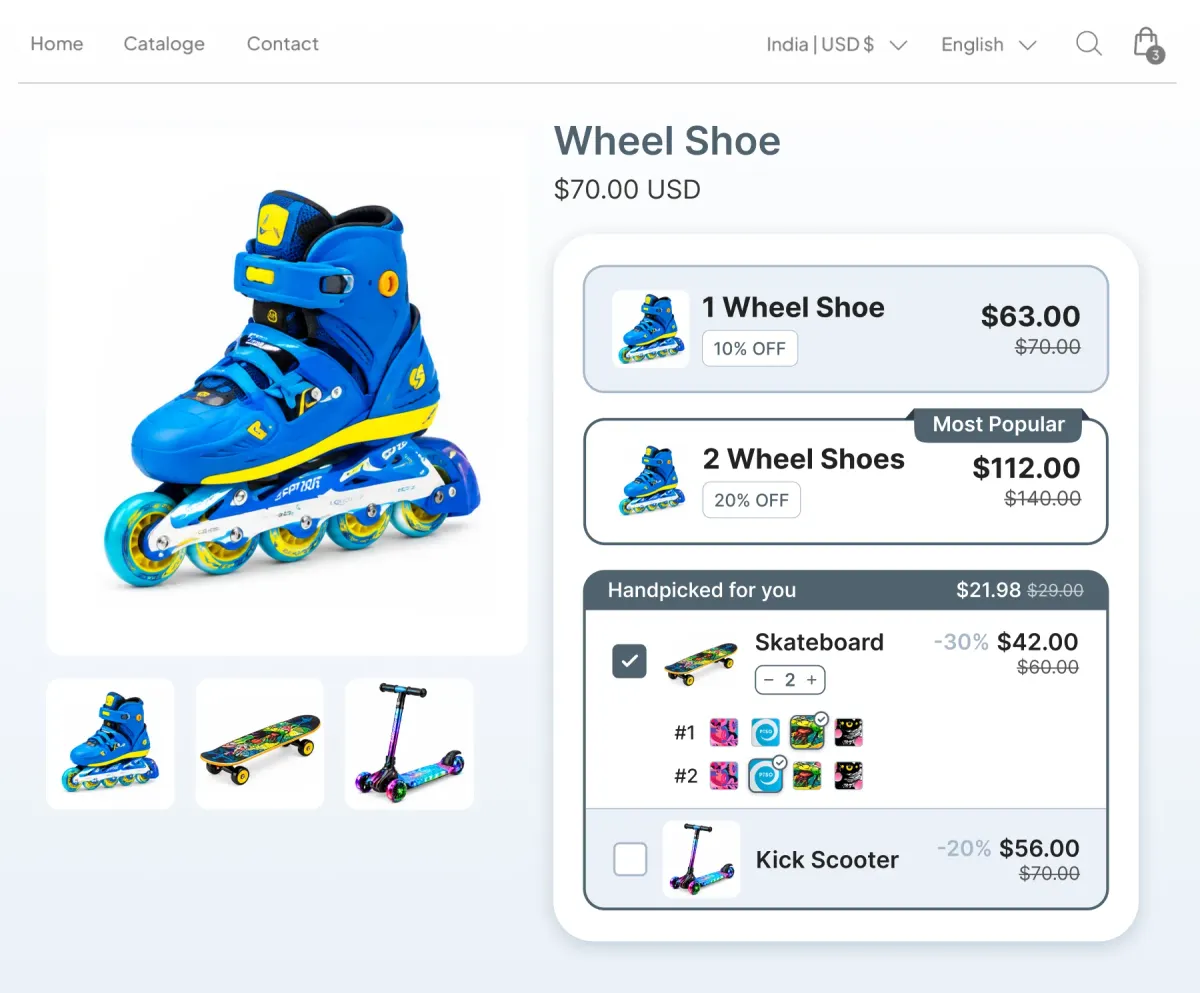
Post-purchase upsell: the next expansion
A second chance to extend the play, after the sale is already secured
Once checkout is complete and payment is confirmed, a one-click upsell screen can offer the expansion pack, a replacement-piece pack, or the next collectible figure needed to complete a set, all tied directly to what the customer just bought. Because payment details are already on file, accepting takes one tap and doesn't touch the order already placed.
Toys & games promotion calendar
Toys and games demand follows the school year, birthday cycles, and one dominant holiday season more predictably than in most categories. Below is a month-by-month map of which strategy fits each period.
Self-audit: how bundle-ready is your store?
Score your current setup against these six dimensions before implementing the strategies above. Most toys and games Shopify stores fall short on battery-compartment tagging and piece-completeness bundling specifically, even when their core bundling is otherwise solid.
Directional benchmarks based on patterns observed across toys and games merchants running structured offers. Use this as a self-check, not a scored audit.
From solo stores to 8-figure brands, teams trust Profit Pumper to grow their revenue.
Consistently rated 4.9 stars on the Shopify App Store for ease of use and reliability.
Install, pick a template, configure your offer, and go live. No coding or developers needed.
Frequently asked questions
How is toys and games bundling different from bundling in other categories?+
Can a bundle actually create a safety issue specific to this category?+
Do I need a developer to set these up on Shopify?+
Which strategy should a small toys and games brand start with?+
How is this different from a sitewide sale?+
Your offers. Configured, not discounted.
Set up completeness bundles, collectible completion sets, and birthday capsules on your Shopify store in minutes. No developer or theme edits needed.
Try Pumper Bundles Free